
Dubai: The Complete Guide
Dubai is the most populous emirate in the UAE and the one most people picture when they think of the country. It is also more varied than its skyline suggests: a working creek older than the towers, a mountain enclave two hours inland, thirty-odd kilometres of public beach, and neighbourhoods where the rent, the food and the pace are nothing like the marketing.
This guide covers what Dubai actually is, how to get around it, and where things are, with the practical detail rather than the brochure version.
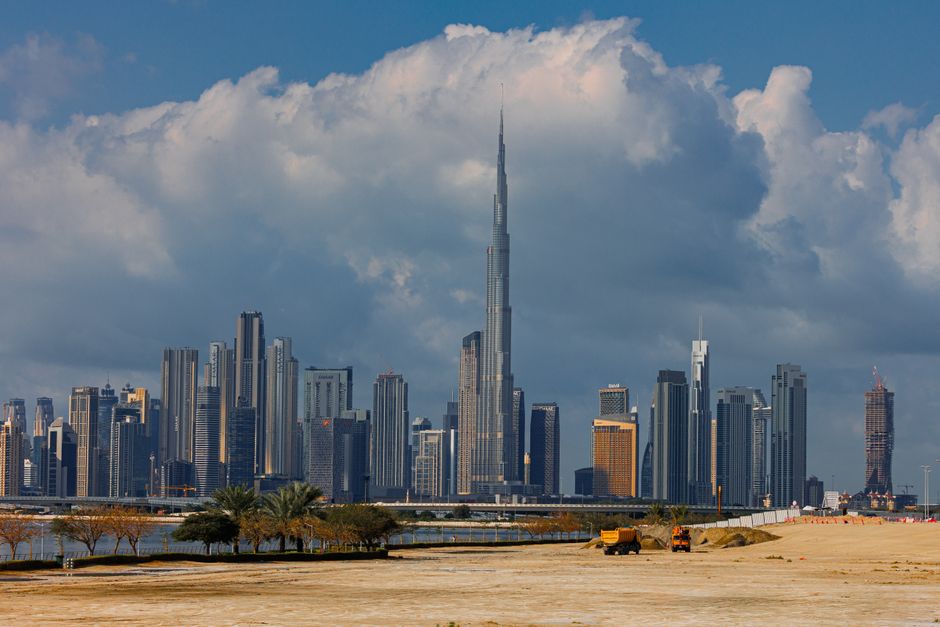
Photo: Walid Ahmad / Pexels
4.74m
6.39m
4,114 km²
200+
Population figures from Digital Dubai and the Dubai Data and Statistics Establishment. The resident total passed 4.58 million at the end of 2025, growing 7.5 percent in a year, and reached 4.74 million by the middle of 2026. The daytime figure counts commuters and visitors.
What Dubai is, and how it differs from Abu Dhabi
Abu Dhabi is the capital, holds the oil and moves deliberately. Dubai has comparatively little oil and built its economy on trade, logistics, tourism and property instead, which is why it feels faster, denser and more commercial.
The practical differences matter more than the character ones. Dubai has a metro and Abu Dhabi does not. Alcohol is easier to find in Dubai and licensing is looser. Dubai is roughly a sixteenth the size of Abu Dhabi by land area but holds more people. Rents are higher in Dubai, salaries tend to be too, and the commute between the two is about ninety minutes each way on a good day.
Around 92 percent of Dubai’s residents are expatriates, from more than two hundred nationalities, which is the single fact that explains most of the rest: the food, the schools, the working week, the way neighbourhoods form.
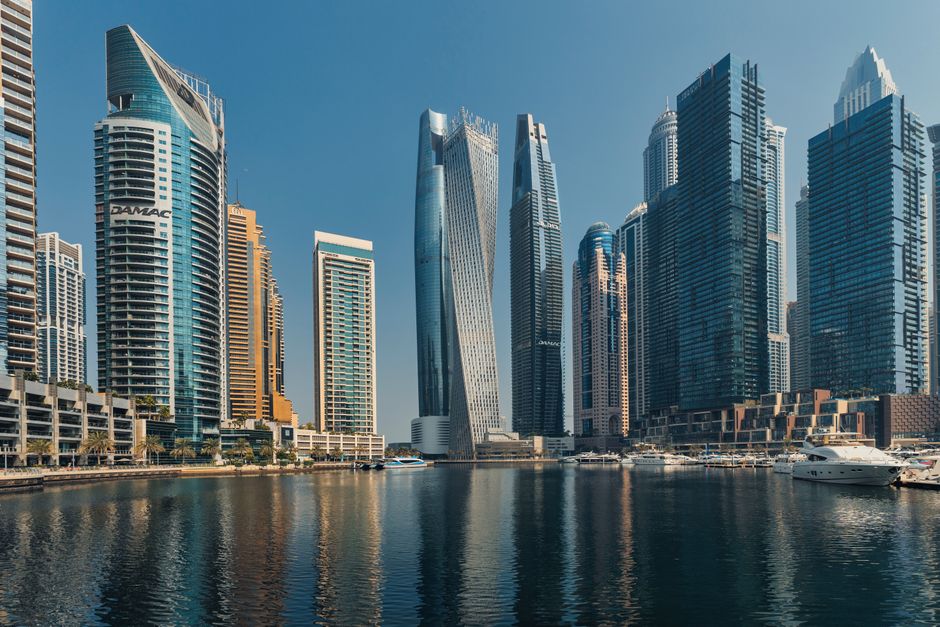
Photo: Denys Gromov / Pexels
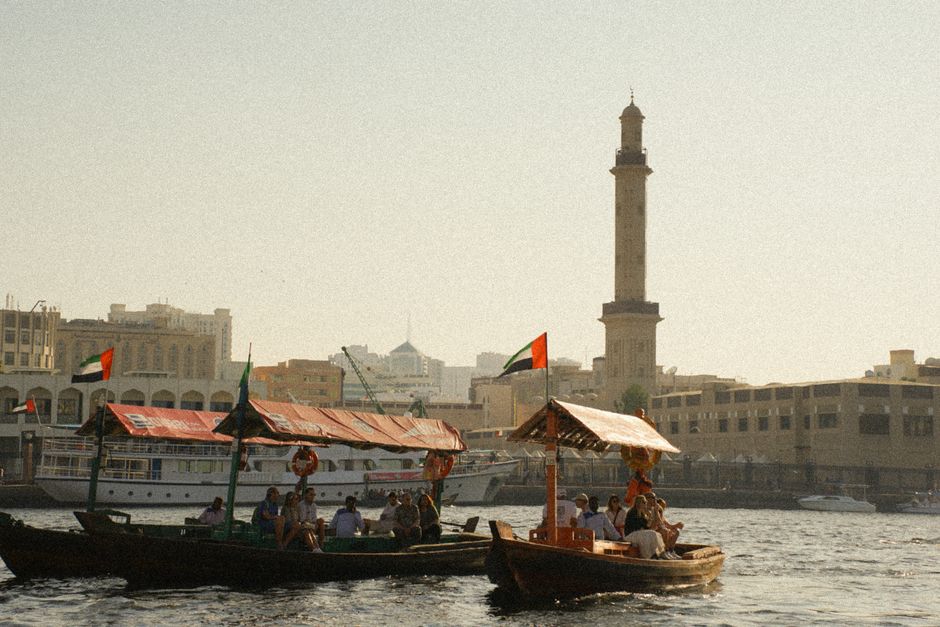
Photo: Adamant Edindon / Pexels
Six things worth knowing
The practical points that catch people out.
The weekend is Saturday and Sunday
Since 2022 the UAE has worked Monday to Friday, with Friday afternoons shortened for prayers in the public sector. Brunches and events have shifted to Saturday as a result.
Summer is genuinely severe
June to September runs above 40C with high humidity near the coast. Outdoor life moves indoors, and a midday break is legally mandated for outdoor workers.
The metro only covers part of the city
Two lines follow the main corridors. Large residential areas including much of Jumeirah, Al Barsha South and the villa communities are not on it, so most households still drive.
Alcohol is legal and licensed
Served in hotels, licensed restaurants and clubs. Residents can buy from licensed shops with a permit, which is now free and straightforward. Public drinking and drink driving carry serious penalties.
Ramadan changes the rhythm
Working hours shorten, eating and drinking in public during daylight is avoided, and the city comes alive after sunset. Many restaurants close during the day and iftar bookings fill weeks ahead.
Addresses are not how you think
Most people navigate by landmark, community name and Makani number rather than street address. Deliveries usually arrive by phone call, not postcode.
Where things are
Thirty-two places across the emirate, from the creek to Hatta. Tap a pin for details and directions.
Tap a pin for directions. Pin positions are approximate; each opens the exact location in Google Maps.
Getting around
The Metro. Two lines, Red and Green, running along Sheikh Zayed Road and through the older districts. Driverless, clean and cheap, and the fastest way between the airport, Downtown and the Marina. It does not reach large parts of the city.
Nol cards. One card covers metro, tram, bus and the abras. Buy at any station. A Silver card suits most visitors.
Taxis and ride hailing. Plentiful and metered. Careem and Uber both operate. Fares are modest by international standards.
Abras. The wooden boats crossing the creek cost a dirham or two and are still a working commuter route, not just a tourist ride.
Driving. Salik tolls apply on the main crossings and are charged automatically per gate. Parking is paid across most of the city, free on Sundays and public holidays in many zones.
Tram. A short line serving the Marina, JBR and Al Sufouh, connecting to the Metro at two points.
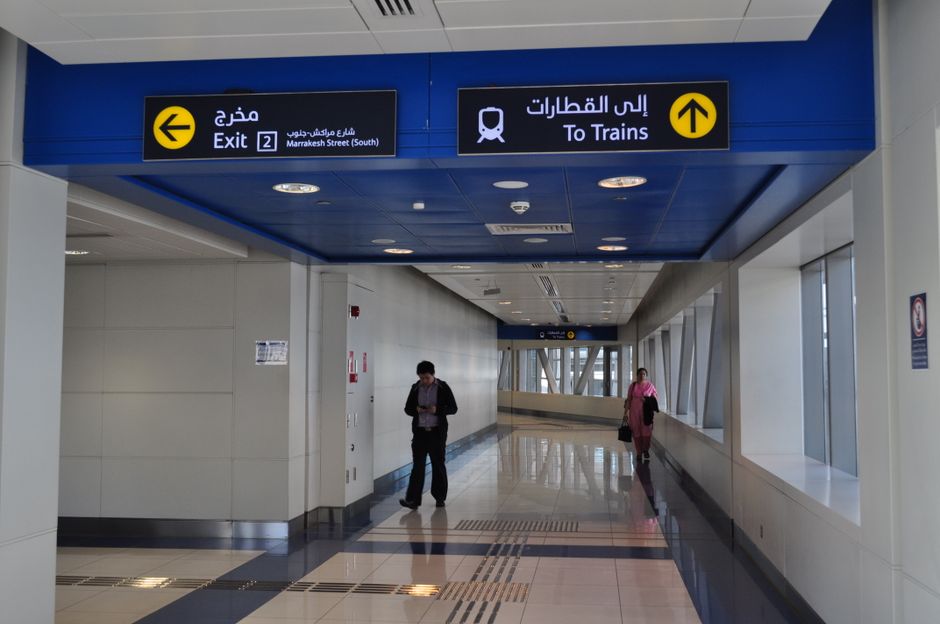
Photo: Angel 8888 / Pexels
Common questions
What is the population of Dubai?
Dubai’s resident population reached 4.58 million at the end of 2025, growing 7.5 percent in a year, and 4.74 million by the middle of 2026. The daytime figure rises to about 6.39 million once commuters and visitors are counted.
Is Dubai a country or a city?
Neither exactly. Dubai is one of the seven emirates that make up the United Arab Emirates, and also the name of its main city. The emirate covers 4,114 square kilometres and includes the Hatta enclave inland.
What is the best time to visit Dubai?
November to March, when daytime temperatures sit in the twenties. December to February is peak season with prices to match. June to September is very hot and humid, and also the cheapest.
Do I need a car in Dubai?
It depends where you live. The Metro covers Sheikh Zayed Road and the older districts well, but large residential areas are not served, so most households outside those corridors drive.
Can you drink alcohol in Dubai?
Yes, in licensed venues such as hotels, restaurants and clubs. Residents can buy from licensed shops with a free permit. Drinking in public and drink driving carry serious penalties.
What is the weekend in Dubai?
Saturday and Sunday. The UAE moved to a Monday to Friday working week in 2022, with shortened Friday hours in the public sector for prayers.
Run a business in Dubai?
Most businesses in the GulfOnline directory are in Dubai. List yours free and be found by people searching for what you do, where you do it.
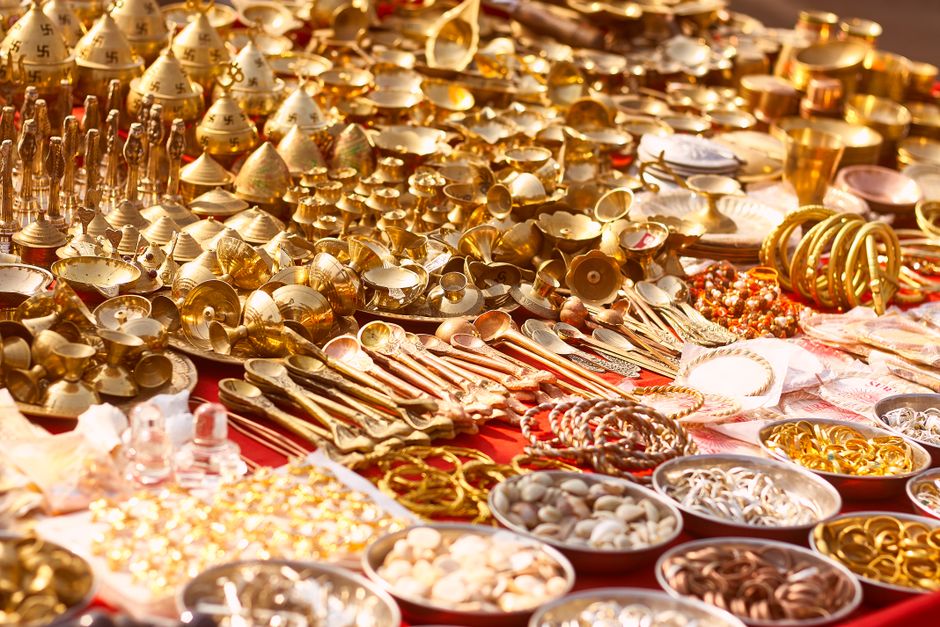
Photo: Deepak Maurya / Pexels